Munich has a way of folding centuries of history, culture and everyday Bavarian life into a single stroll through its streets. Whether you arrive for a short city break or a longer stay, a day spent wandering between medieval squares, royal gardens and sobering memorials gives a genuine sense of what makes this corner of southern Germany so compelling. This guide follows a route that many visitors find works well, starting in the old centre and moving outward towards the grander sights that Bavaria has to offer.
At a glance
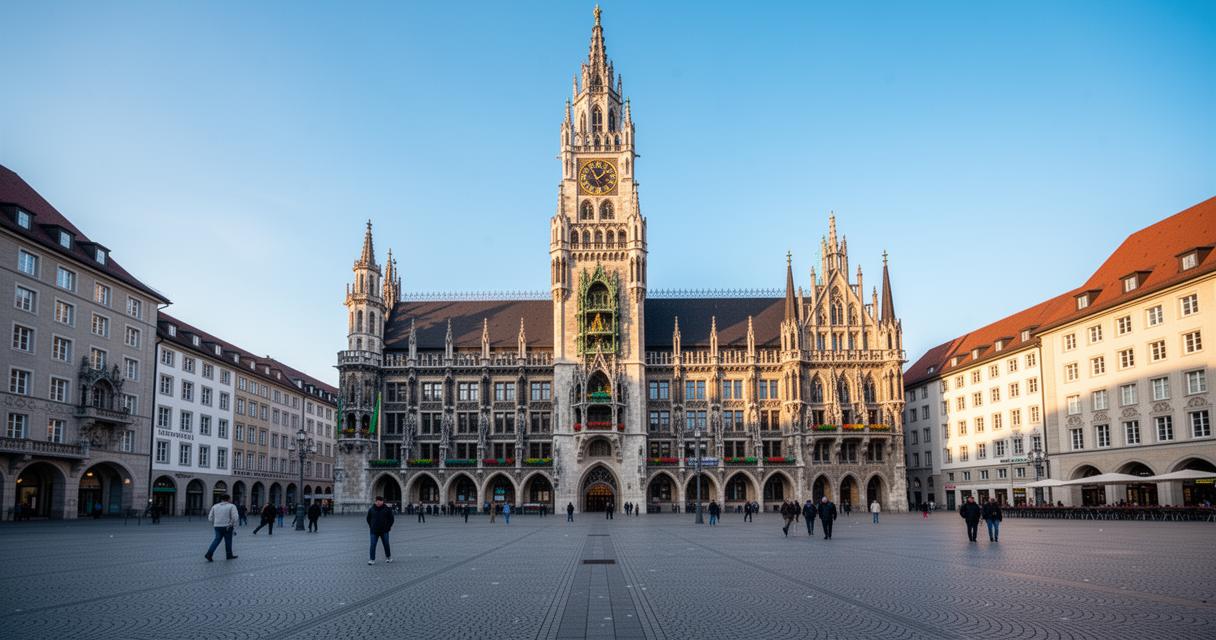
- Marienplatz serves as the vibrant heart of Munich, featuring the iconic New Town Hall and its daily Glockenspiel performance.
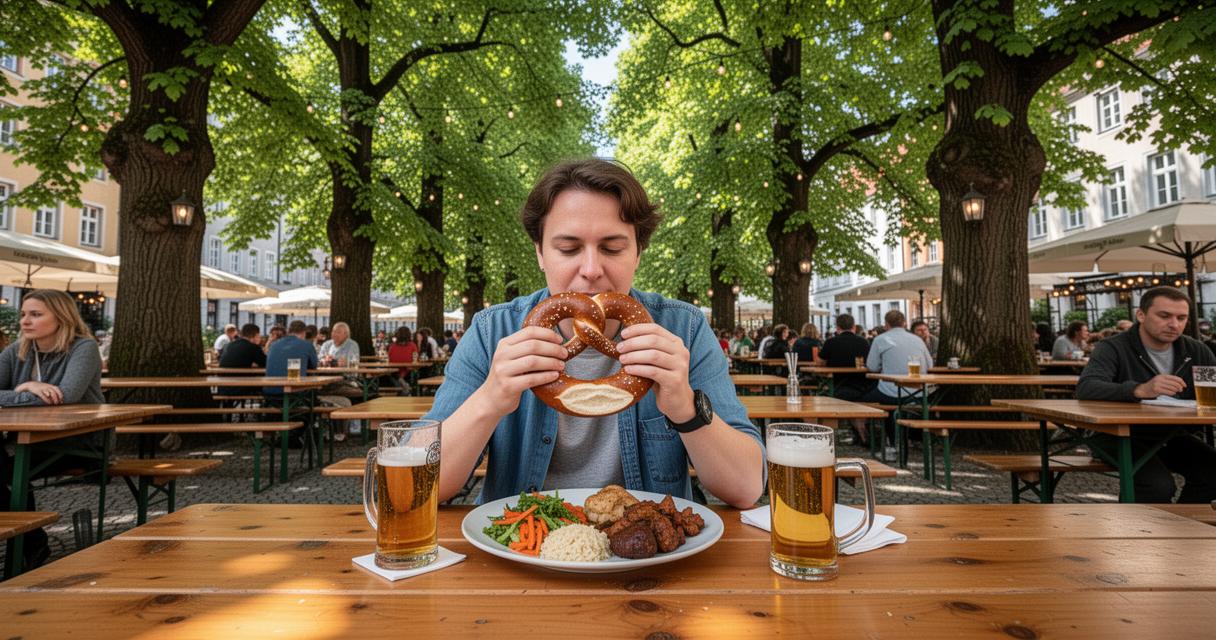
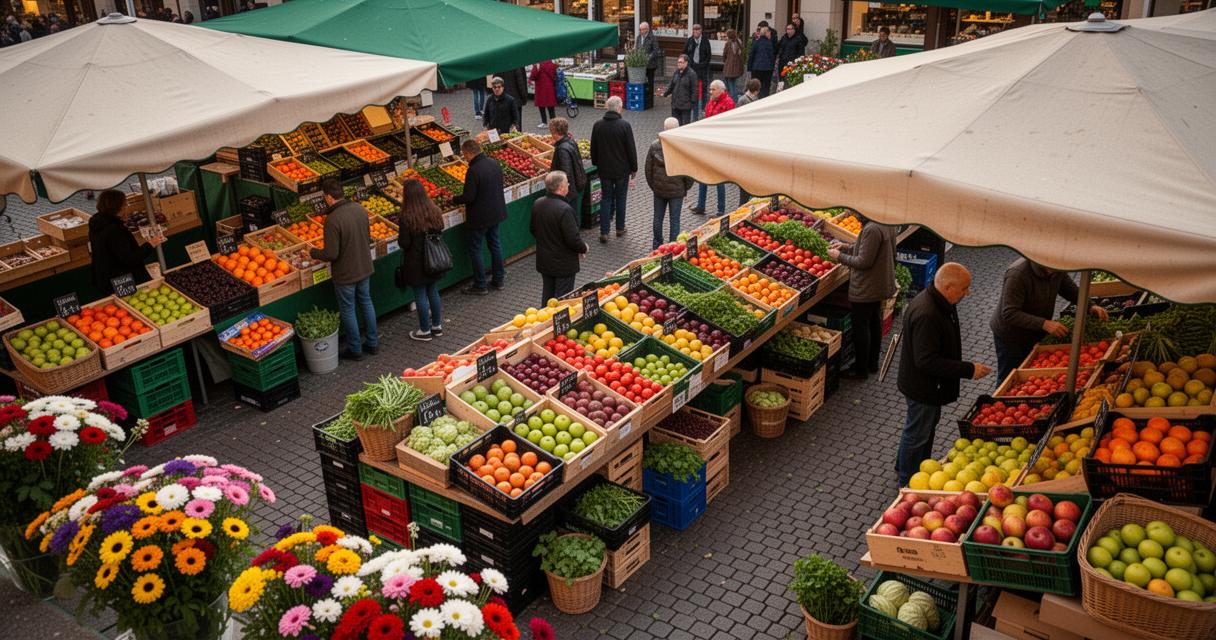
- The Viktualienmarkt offers an authentic taste of local Bavarian culture, where visitors can enjoy traditional foods like Weisswurst and pretzels.
- Historical sites such as the Residenz and Nymphenburg Palace showcase the grand architectural legacy of the Wittelsbach dynasty.
- The Englischer Garten provides a vast urban escape, famous for its sprawling lawns and the unique sight of surfers on the Eisbach wave.
- Munich hosts diverse cultural institutions, including the extensive Deutsches Museum, the BMW Welt, and several world-class art galleries.
- The Dachau concentration camp memorial offers a sobering and essential historical perspective on Munich’s role during the Second World War.
- Day trips from the city to Neuschwanstein Castle provide visitors with spectacular alpine views and a glimpse into King Ludwig II’s extravagant vision.
Exploring the Heart of Munich: Marienplatz and the Old City Centre
Any visit naturally begins at Marienplatz, the main square and the beating heart of the city. Travellers consistently note that this is where Munich’s story is best told, with the Gothic silhouette of the New Town Hall rising above the square and its famous Glockenspiel drawing crowds each morning as painted figures reenact old Bavarian tales. It is a scene that captures the old and the busy present side by side, and standing there for a few minutes gives a real feel for the rhythm of the city. Nearby, the twin towers of the Frauenkirche, the cathedral dedicated to Our Lady, dominate the skyline, and local legend attaches a curious story to a dark footprint pressed into the floor near the entrance.
Wandering through historical landmarks and baroque architecture
From Marienplatz, the old centre unfolds into a network of lanes lined with baroque façades and quiet courtyards. The Residenz, once home to the Wittelsbach monarchs who ruled Bavaria for generations, is worth the detour for its opulent state rooms and treasury, offering a glimpse into the lifestyle of a former royal residence. A little further on, the Viktualienmarkt remains a lively open-air market where stallholders sell cheeses, cured meats and seasonal produce, and it is here that many visitors try their first Weisswurst with a soft pretzel and a dab of sweet mustard. The market square, shaded by a maypole, is a pleasant spot to pause before continuing the day’s exploration.
Discovering Hidden Gems in the District Around Saint Peter’s Church
Just behind the main square sits Saint Peter’s Church, often overlooked in favour of its more famous neighbour but well worth the climb up its tower for sweeping views over the rooftops of the old city. The surrounding district rewards those who wander without a fixed plan, with small chapels, independent shops and quiet corners that feel far removed from the bustle of Marienplatz. Travellers with an interest in religious architecture often add Saint Michael’s Church and the Theatinerkirche to their route, both within easy walking distance and offering a different, equally striking interpretation of Bavarian church design.
Bavaria’s royal legacy: castles, gardens and former residences worth your time
Beyond the old centre, Munich and the wider region of Bavaria offer a string of royal sites that reveal just how grand the Wittelsbach dynasty’s ambitions once were. For anyone drawn to green space, the Englischer Garten ranks among the largest urban parks anywhere in the world, its winding paths and open lawns a favourite with locals year round. A stretch of the Eisbach stream running through the park has become an unlikely attraction in its own right, where onlookers gather to watch surfers ride a standing wave regardless of the season.
Nymphenburg Palace and the Splendour of Bavarian Gardens
A short journey from the centre, Nymphenburg Palace presents a different kind of royal residence, surrounded by formal gardens, canals and pavilions that invite a slower, more contemplative visit. The palace grounds make for a refreshing contrast to the density of the old town, and a walk through its gardens pairs well with a quiet afternoon away from the main crowds. It is the sort of place where a guided tour can add useful context, though simply strolling through at one’s own pace has its own appeal.
Planning a Tour to Neuschwanstein Castle from the City
No conversation about Bavarian castles is complete without mentioning Neuschwanstein, the fairy-tale fortress built on the orders of King Ludwig the Second in the latter part of the nineteenth century. It sits some distance from Munich, so most visitors book a tour or arrange train travel in advance, and it is worth checking any cancellation terms before confirming a ticket, since demand for guided access can be high. Those who make the journey are usually rewarded with dramatic alpine views and an unmistakable glimpse into Ludwig’s extravagant vision.
Museums, Monuments and Sobering Reminders of the Second World War
Munich’s museum scene is substantial enough to fill several days on its own, and the Deutsches Museum stands out as a particular highlight thanks to its wide-ranging exhibits on science, technology and aviation. Visitors with an interest in engineering and design often pair this with a trip to BMW Welt, where free exhibition areas sit alongside ticketed museum displays celebrating the carmaker’s history. Art lovers, meanwhile, tend to gravitate towards the Alte Pinakothek and the Glyptothek, two galleries that showcase centuries of European painting and classical sculpture within walking distance of each other.
The deutsches museum, bmw welt and other cultural treasures
Football enthusiasts passing through might also consider the Allianz Arena, home to Bayern Munich, or seek out the former Olympic stadium, both offering a different angle on the city’s modern identity. Classical music fans occasionally find a concert scheduled at one of the city’s concert halls, a pleasant way to round off an evening after a day of sightseeing.
Visiting dachau concentration camp memorial and understanding munich’s historical role
No honest account of a day, or several days, in this region would be complete without acknowledging the Dachau concentration camp memorial site, reachable from the city by train and bus in around an hour. It stands as a deeply sobering reminder of the atrocities committed during the Second World War and of Munich’s particular place in that history. Many travellers describe the visit as difficult but essential, offering a necessary counterweight to the beer halls and baroque architecture that otherwise define a typical city break. Taken together, these sights, from the market stalls of the old centre to the quiet solemnity of Dachau, give a rounded and honest opinion of what a day in Munich, or Bavaria more broadly, can offer anyone willing to look beyond the postcard view.