When the grey skies of a British winter set in, a subtropical island drifting in the Atlantic offers a rather tempting alternative. Madeira, the Portuguese destination known for its volcanic landscapes and year-round greenery, makes a particularly appealing choice for a December getaway, combining mild weather with a landscape that feels almost otherworldly compared to home.
In brief
- Madeira is a prime winter destination due to its mild subtropical climate, with temperatures typically ranging from 16 to 20 degrees Celsius in December.
- Visitors should pack for variable weather, as December is one of the wetter months and mountain conditions can shift rapidly.
- Funchal serves as the most convenient base for travelers, while smaller villages like Santana and Sao Vicente offer quieter, more scenic alternatives for those who rent a car.
- The island is famous for its dramatic volcanic landscapes, including high sea cliffs like Cabo Girao and unique natural swimming pools formed from lava rock.
- Hiking remains a central activity, with iconic routes between Pico Arieiro and Pico Ruivo now requiring advance online reservations.
- Travelers seeking a beach experience can find imported sand at locations like Calheta and Machico, as the island’s natural coastlines are primarily pebbled.
- December offers unique festive charm in Funchal, featuring extensive holiday decorations and a world-renowned New Year’s Eve fireworks display.
Why does Madeira’s December climate make it an ideal winter destination?
There’s a reason travellers keep returning to this island when the season turns cold elsewhere in Europe. Madeira enjoys a mild subtropical climate throughout the year, and even in the depths of winter, the island rarely feels harsh or unwelcoming.
Understanding average temperature and weather patterns for your travel plans
During December, daytime temperatures generally hover between sixteen and twenty degrees, while evenings cool down to a still-comfortable range in the mid-teens. The sea itself stays relatively warm, with ocean temperatures often sitting between seventeen and twenty-four degrees across the year, making a dip tempting even outside the summer months. Winter does bring more rainfall than other seasons, and the months stretching from November through January tend to be the wettest, so packing a light rain jacket alongside sun cream is a sensible move. Weather on the island can shift quickly, particularly in the mountains, so checking daily forecasts before setting off on any outdoor plan is always worthwhile.
How does the island’s sun and natural landscape enhance your winter stay?
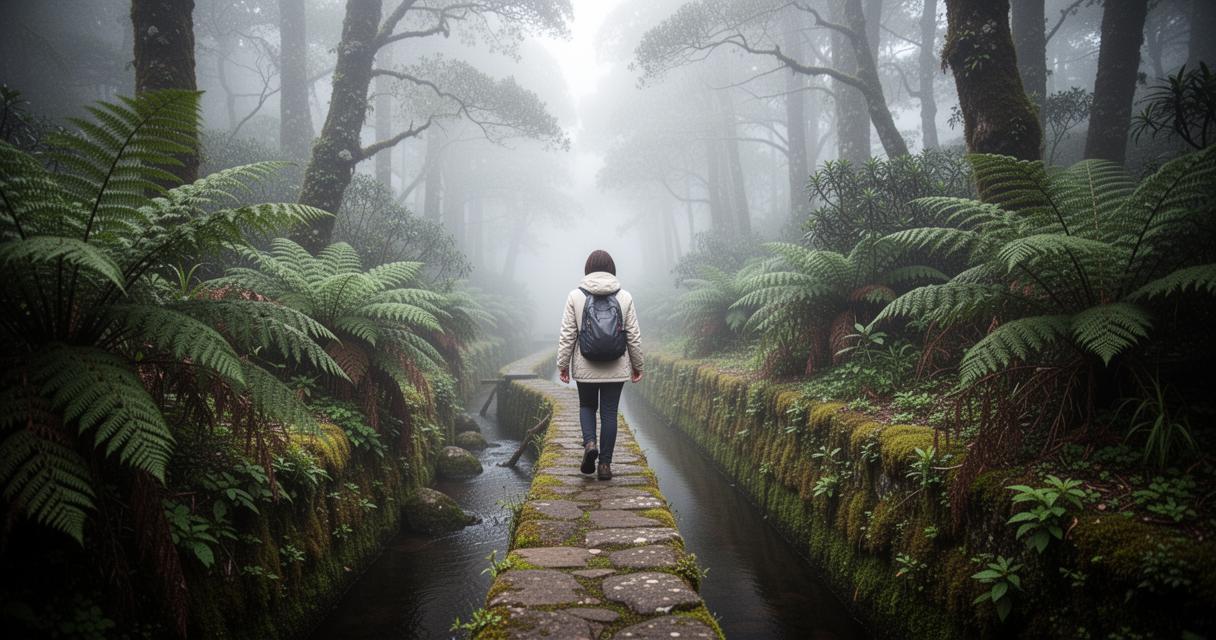
Despite the occasional shower, Madeira remains lively and sunny for much of December, and the island’s dramatic scenery only adds to its charm. Rugged peaks, ancient laurel forests, cascading waterfalls, and striking volcanic cliffs create a backdrop that feels remarkably varied for such a small landmass. Ponta do Sol has built something of a reputation as the sunniest spot on the island, and it’s easy to see why travellers chasing warmth gravitate there. Christmas itself brings a particular magic, with decorations lighting up Funchal’s streets and temperatures still sitting around the nineteen-degree mark, while New Year’s Eve delivers a fireworks display that draws visitors from across the globe.
Which areas should you consider for accommodation across the island?
Choosing where to stay shapes the entire rhythm of a Madeira trip, and the island offers a surprising spread of options depending on the kind of holiday you’re after.
Exploring options in Funchal, Porto Moniz, and other coastal points
Funchal remains the natural starting point for most visitors, not least because the capital holds the lion’s share of accommodation, restaurants, and transport links. Sitting between the mountains and the Atlantic, the city offers everything from adults-only hotels to family-friendly resorts, and a cable car ride above the rooftops gives a memorable first impression of the coastline below. Further along the coast, Porto Moniz is famous for its volcanic natural pools, where seawater collects among black lava rock to form safe, sheltered swimming spots. Camara de Lobos, a fishing village just outside Funchal, and the cliffside stretch near Caniço also offer quieter bases with sea access and a slower pace, ideal for those wanting proximity to the capital without the bustle.
What makes Santana, Ponta do Pico, and Sao Vicente appealing for your stay?
Away from the southern coast, villages such as Santana and Sao Vicente present a different side of the island entirely. Santana is known for its traditional triangular houses and sweeping countryside views, while Sao Vicente offers a rugged charm with striking cliffs and volcanic caves nearby. Arco de Sao Jorge, a short drive further along the north coast, adds another scenic stop worth considering for travellers keen to explore beyond the capital. Staying in one of these villages suits visitors who prioritise tranquillity, though renting a car is strongly advised given how limited public transport becomes outside Funchal, and driving across the entire island rarely takes much more than ninety minutes regardless of your base.
What activities and hiking routes will fill your December itinerary?
Madeira rewards those willing to get outdoors, and December is no exception, with plenty of options remaining open despite the shorter days.
Discovering viewpoints from Cabo Girao to Pico Arieiro and Pico Ruivo
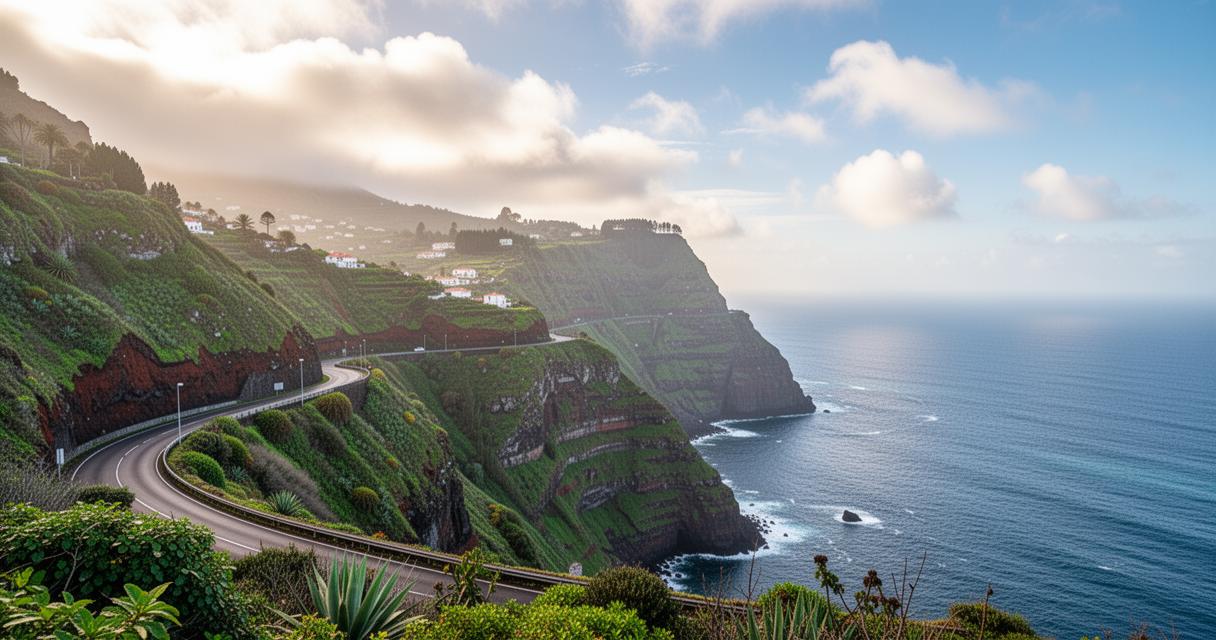
Few places capture the island’s drama quite like Cabo Girao, one of the highest sea cliffs in Europe, where a glass skywalk lets visitors peer straight down towards the ocean below. Inland, Pico Arieiro and Pico Ruivo form the beating heart of Madeira’s hiking scene, with trails connecting the two peaks offering some of the most rewarding views on the island, often above the clouds themselves. Ponta de Sao Lourenco, on the easternmost tip, provides another classic route, with dramatic coastal paths winding past volcanic rock formations. It’s worth noting that official trails now require a booked reservation through the island’s online portal, with modest fees applying per hike, so planning ahead avoids disappointment at the trailhead.
Visitors heading further along the coast often stop at Sao Lourenco or detour through Santo da Serra, a quieter inland area known for its golf courses and gentle countryside, offering a nice contrast to the rockier hiking terrain found elsewhere.
Planning visits to natural pools, beaches, and scenic spots like Curral das Freiras by car
A hire car genuinely transforms how much of Madeira you can see, and Curral das Freiras, nestled deep within an extinct volcanic crater, stands out as one of the island’s most atmospheric detours. The drive down into this valley village feels dramatic in itself, with switchback roads revealing the crater’s steep walls at every turn. Beaches are relatively scarce across the island, with most coastlines made up of pebbles rather than sand, though spots near Calheta and Machico have imported sand for a more conventional beach experience. Natural swimming pools, particularly those carved from volcanic rock near the northern coast, remain a highlight regardless of season, offering a refreshing alternative to a traditional seaside dip. For those with time to spare, a loop taking in botanical gardens, coastal viewpoints, and a few short levada walks makes for an unhurried yet thoroughly memorable way to close out a Madeira winter escape.