Madagascar stands apart as one of the world's most extraordinary destinations for nature enthusiasts and adventurers alike. Often referred to as the Eighth Continent, this island nation has evolved in isolation for millions of years, creating ecosystems and species found nowhere else on Earth. From towering mountain peaks to razor-sharp limestone forests, the protected areas scattered across this vast island offer experiences that challenge, inspire, and reward those willing to venture into its wild landscapes. Among these remarkable sanctuaries, certain parks have earned their place as essential destinations for anyone seeking to understand the true diversity of Madagascar's natural heritage.
- Madagascar is celebrated as a unique ecological sanctuary, often called the 'Eighth Continent,' due to its millions of years of evolutionary isolation.
- Andringitra National Park offers diverse vertical vegetation zones, ranging from dense rainforests to high-altitude rocky slopes.
- Reaching the summit of Pic Boby, Madagascar's second-highest peak, requires a challenging three-day trek through dramatic alpine scenery and exposed granite.
- The Tsaranoro Valley is a premier destination for rock climbing on sheer granite walls, complemented by encounters with traditional local communities.
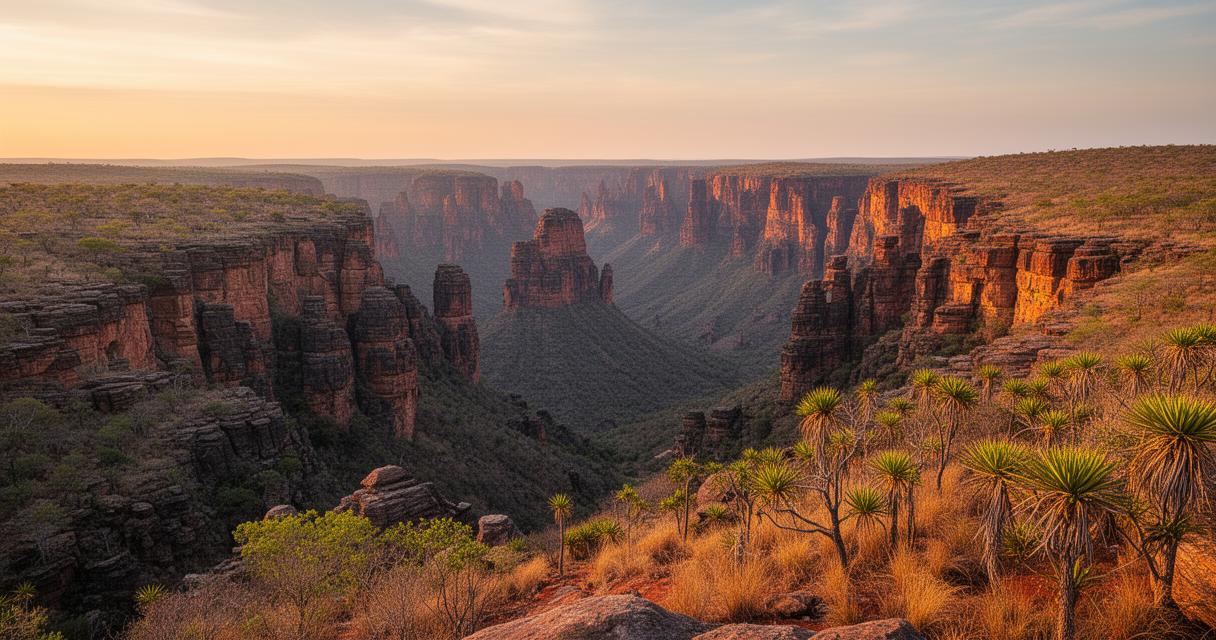
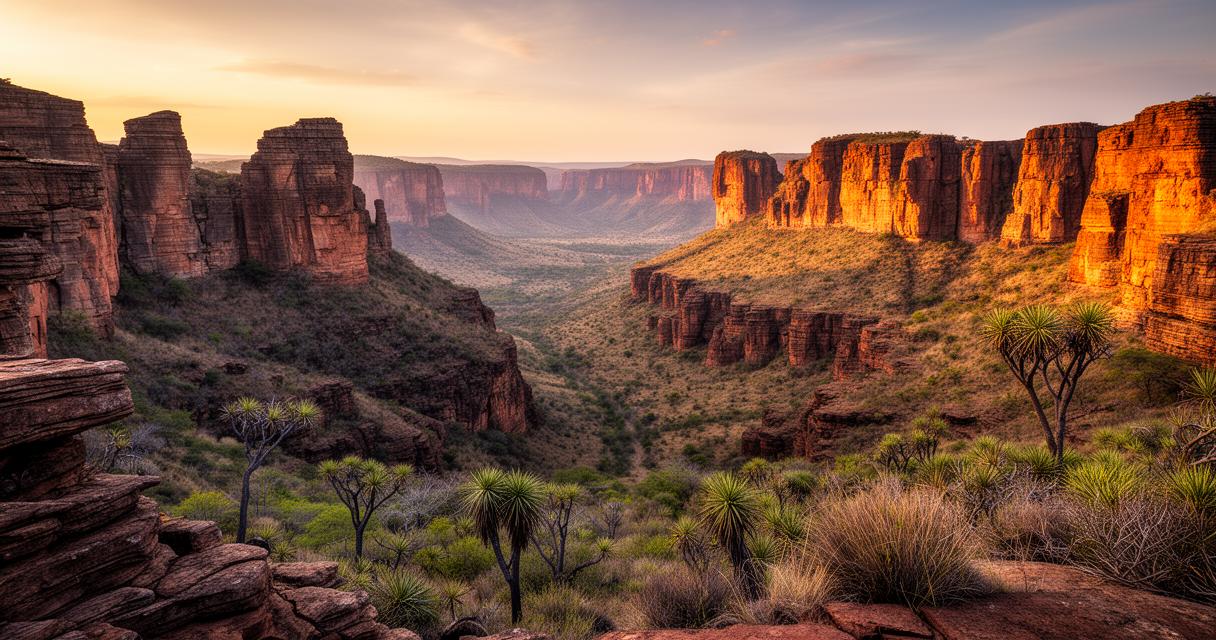
- Isalo National Park features a unique desert landscape characterized by ancient, wind-carved sandstone formations and vast grasslands.
- The eroded canyons of Isalo contain lush natural swimming pools that serve as essential water sources and habitats in a semi-arid environment.
- Isalo supports a diverse range of endemic wildlife, most notably the iconic ring-tailed lemurs that thrive among the park's sandstone cliffs.
Andringitra national park: a trekker's paradise in madagascar's highlands
Spanning approximately three hundred square kilometres of pristine wilderness, Andringitra National Park represents one of Madagascar's most impressive highland destinations. The park encompasses a remarkable range of vegetation zones, beginning with dense rainforest at lower elevations, transitioning through montane forest, and culminating in high-altitude vegetation that clings to rocky slopes. This vertical diversity creates habitats for countless endemic species whilst providing trekkers with constantly changing scenery as they ascend through different ecological layers. The park has become synonymous with serious Madagascar hiking adventures, drawing visitors from across the globe who seek both physical challenge and natural beauty in equal measure.
Conquering pic boby: madagascar's second highest peak and its dramatic alpine scenery
The crown jewel of Andringitra remains Pic Imarivolanitra, more commonly known as Pic Boby, which rises to an impressive two thousand six hundred and fifty-eight metres above sea level. This summit represents the second highest point in Madagascar and offers determined trekkers an achievement that requires both physical stamina and mental resolve. The journey to reach this pinnacle typically demands three days of concentrated effort, with each day presenting new landscapes and challenges. As hikers gain elevation, the vegetation becomes increasingly sparse, eventually giving way to exposed granite formations that dominate the upper reaches. The views from the summit extend across seemingly endless mountain ranges, with valleys disappearing into morning mists and distant peaks breaking through cloud cover. This dramatic alpine scenery provides ample reward for the considerable effort required to reach such heights, creating memories that remain vivid long after the descent.
Navigating the Tsaranoro Valley: Rock Climbing Adventures and Traditional Village Encounters
Beyond the high peaks, Andringitra encompasses the spectacular Tsaranoro Valley, where sheer granite walls rise vertically from the surrounding landscape, creating some of the finest rock climbing opportunities in the entire Indian Ocean region. These massive cliff faces attract climbers seeking multi-pitch routes that test technical skills against stone that has been shaped by millions of years of geological forces. The valley floor remains inhabited by traditional communities who have maintained their connection to the land through generations of agricultural practice and cultural continuity. Visitors exploring this area often find themselves welcomed into village life, gaining insights into how local people have adapted to this challenging environment. The combination of extreme geological features and living cultural traditions makes Tsaranoro a destination that satisfies both adventure seekers and those interested in understanding human adaptation to mountainous terrain.
Isalo National Park: Sandstone Formations and Desert Landscapes of Remarkable Beauty
Moving westward from the central highlands, travellers encounter Isalo National Park, a protected area that presents a strikingly different landscape dominated by high grasslands and extraordinary sandstone formations. These ancient rock structures have been carved by wind and water into fantastical shapes that change colour throughout the day as sunlight strikes them from different angles. The park offers hiking options that accommodate various fitness levels and time commitments, ranging from gentle walks that provide access to scenic viewpoints to challenging full-day routes that penetrate deep into canyon systems. The terrain here evokes comparisons to wilderness areas in other parts of the world, yet retains a distinctly Malagasy character through its unique combination of geological features and endemic wildlife.
Exploring the Eroded Canyons and Natural Swimming Pools of Isalo's Wilderness
Water has played the primary role in sculpting Isalo's landscape, cutting through sandstone layers to create narrow canyons where vegetation clings to any available foothold. Within these eroded gorges, streams have formed natural swimming pools that offer refreshing respite after hours of walking through exposed terrain under the intense Malagasy sun. These oases provide crucial habitat for numerous species whilst creating focal points for hiking routes that wind through the park. The contrast between the arid grasslands above and the lush canyon bottoms demonstrates the ecological importance of even modest water sources in semi-arid environments. Guided hikes typically include visits to several of these pools, allowing visitors to appreciate both the geological processes that created them and the biological communities they support.
Wildlife Watching Amongst the Rocks: Ring-Tailed Lemurs and Endemic Bird Species
Despite the harsh appearance of its rock formations, Isalo supports a surprisingly diverse wildlife community, with ring-tailed lemurs being among the most visible and charismatic residents. These primates move confidently across the sandstone formations, their distinctive black and white striped tails serving as unmistakable identification markers. The park also provides habitat for numerous bird species found only in Madagascar, with the varied terrain creating niches for both grassland specialists and forest-dwelling species that inhabit the canyon environments. Patient observers who take time to scan the rocks and vegetation are often rewarded with sightings of reptiles, including chameleons and lizards that have adapted perfectly to life amongst the stones. This combination of dramatic geology and accessible wildlife viewing has established Isalo as one of the most popular national parks in Madagascar, attracting visitors throughout the dry season.
Tsingy de Bemaraha: UNESCO World Heritage Site with Extraordinary Limestone Pinnacles
Perhaps no other landscape in Madagascar captures the imagination quite like the Tsingy de Bemaraha, a UNESCO World Heritage Site that showcases some of the most unusual karst limestone formations found anywhere on Earth. The word tsingy derives from the Malagasy language, meaning a place where one cannot walk barefoot, a description that perfectly captures the character of these razor-sharp pinnacles that rise like a stone forest from the ground. Geological forces acting over millions of years have dissolved and eroded limestone deposits, creating a labyrinth of sharp ridges separated by deep fissures that challenge both navigation and nerve. The site primarily offers shorter day walks rather than extended treks, as the technical nature of the terrain and the need for safety equipment limits the distance most visitors can comfortably cover.
Walking Amongst the Stone Forest: Safety Tips and Navigation Through the Razor-Sharp Karst
Exploring the Tsingy requires both physical capability and careful attention to safety protocols, as the limestone pinnacles pose genuine hazards to anyone who loses footing or attempts to move carelessly through this environment. Visitors must wear sturdy footwear with excellent grip, as smooth-soled shoes would prove dangerously inadequate on the sharp, uneven surfaces. Guided hikes remain mandatory throughout most of the protected area, with experienced local operators providing not only route-finding expertise but also constant monitoring of group safety. Many trails incorporate fixed via ferrata equipment, including cables, ladders, and harnesses that allow visitors to traverse sections that would otherwise be impassable. This combination of natural challenge and installed safety features creates an adventure that feels genuinely wild whilst maintaining acceptable risk levels. The reward for navigating this demanding terrain comes through access to viewpoints that reveal the full extent of the stone forest stretching to the horizon.
Discovering Hidden Caves and Suspension Bridges in Bemaraha's Unique Ecosystem
Beneath and between the limestone pinnacles, water has carved extensive cave systems that harbour their own specialized wildlife communities, including bats that play crucial ecological roles as pollinators and insect controllers. Some guided routes include cave exploration components, allowing visitors to witness the underground dimensions of this karst landscape. Suspension bridges span the deepest fissures, providing both practical crossing points and spectacular vantage points from which to appreciate the vertical drama of the environment. The ecosystem within the Tsingy demonstrates remarkable resilience, with plants exploiting every crack and hollow where soil has accumulated, their roots penetrating deep into the limestone in search of moisture and nutrients. This unique ecosystem supports wildlife found nowhere else, making Bemaraha not merely a geological curiosity but a vital conservation area protecting endemic species adapted to this challenging environment. The combination of extraordinary landforms, specialized wildlife, and carefully managed access has established the Tsingy de Bemaraha as one of Madagascar's most iconic destinations, representing the island's capacity to surprise and challenge even well-travelled visitors.